

Gum Flaps Between Teeth: Causes, Risks, and Treatment Options
If you have noticed sore, swollen, or “loose” gum tissue between your teeth and aren’t sure why, you aren’t alone. This guide provides clear answers on how to identify the cause and how to resolve the issue before it leads to more serious complications.
Have you ever felt a small piece of gum tissue lifting, folding, or sticking up between your teeth? These are commonly referred to as gum flaps. While they might seem like a minor nuisance at first, they are often a “red flag” signaling that your oral health needs attention. Many people tend to ignore these flaps until they become painful, but addressing them early is the best way to prevent significant dental problems.
In this comprehensive guide, we will break down what gum flaps actually are, why they form, and the best ways to treat and prevent them, so you can take the next step toward a healthy, comfortable smile.
What Exactly Are Gum Flaps?
A gum flap is a small section of gingival tissue that has become detached, overgrown, or unevenly shaped between the teeth. Instead of lying firm and flat against the tooth surface, the tissue creates a “pocket” or a loose, flap-like structure.
In a healthy mouth, gum tissue fits snugly around each tooth like a tight collar, protecting the roots and bone. When irritation, inflammation, or structural changes occur, the tissue loses this snug fit. Because these flaps create a hidden space, they easily trap food particles and bacteria—areas that are notoriously difficult to clean with standard brushing. It is important to remember that a gum flap is rarely a standalone condition; it is typically a symptom of an underlying issue that requires professional evaluation.
Here is a professional and polished rewrite of the section regarding the causes of gum flaps:
Why Do Gum Flaps Form?
Gum flaps rarely appear without a reason; usually, they are the result of one or more underlying dental issues. Identifying the specific cause is the first step toward effective treatment. Here are the most common factors:
1. Plaque and Tartar Accumulation
Plaque is a sticky, bacterial film that constantly forms on your teeth. If it isn’t removed through daily hygiene, it hardens into tartar (calculus), which acts as a constant irritant to the gums. This chronic irritation leads to inflammation, causing the gum tissue to swell and detach from the tooth, eventually forming a flap. Once plaque has mineralized into tartar, it can only be removed by a dental professional.
2. Gum Disease (Gingivitis and Periodontitis)
Periodontal disease is a leading cause of gum flaps. In its early stage—gingivitis—the gums become red, swollen, and prone to bleeding. If ignored, it can advance to periodontitis, where the infection causes the gums to pull away significantly, creating deep pockets and loose flaps. At this advanced stage, the bacteria can begin to damage the underlying bone that supports your teeth.
3. Chronic Food Impaction
When food consistently gets trapped between teeth—often due to natural gaps, worn-down fillings, or ill-fitting dental crowns—it puts constant pressure on the delicate gum tissue. This repeated mechanical irritation and the resulting bacterial growth can cause the tissue to reshape itself into a flap. You might notice these flaps specifically in the areas where you struggle most with food traps.
4. Wisdom Teeth and Misalignment
According to the Cleveland Clinic, partially erupted wisdom teeth are a very common cause of gum flaps (a condition known as pericoronitis). When there isn’t enough room for a tooth to emerge fully, a flap of gum tissue often rests over the crown, creating a “trap” for bacteria. Similarly, crowded or misaligned teeth create hard-to-reach nooks where inflammation and flaps are more likely to develop.
5. Improper Brushing Techniques
Effective oral hygiene requires a delicate balance. While inadequate brushing leads to plaque-related flaps, brushing too aggressively can be just as harmful. Using a hard-bristled toothbrush or applying excessive pressure can traumatize the gum tissue, leading to recession or irregular, flap-like shapes as the tissue tries to heal from the friction.
This version uses more precise clinical terminology (like pericoronitis and gingival tissue) while remaining accessible and easy for a patient to understand.
Here is a professional and clear rewrite of the sections regarding the risks, symptoms, and treatment of gum flaps:
Are Gum Flaps a Serious Dental Concern?
While a gum flap is not always a dental emergency, it is a symptom that should never be ignored. In mild, temporary cases, it may simply indicate minor irritation. However, persistent gum flaps are typically a sign of chronic inflammation or advancing periodontal disease.
If left unaddressed, gum flaps can lead to:
- Bacterial Traps: Acting as a “reservoir” for food debris and harmful bacteria.
- Increased Infection Risk: Potentially leading to painful abscesses.
- Bone Loss: Chronic inflammation can eventually erode the bone supporting your teeth.
- Chronic Halitosis: Persistent bad breath caused by trapped, decaying bacteria.
- Tooth Mobility: In advanced stages, the loss of support can result in loose or shifting teeth.
Recognizing the Symptoms
Gum flaps are often painless in the beginning, which is why many patients overlook the early warning signs. Watch for these common indicators:
- Localized Swelling: Gums that appear puffy or “bulbous” between specific teeth.
- Gingival Bleeding: Noticing blood during your normal brushing or flossing routine.
- Targeted Tenderness: Sensitivity or discomfort concentrated in one specific area.
- Chronic Food Trapping: Constantly needing to use a toothpick or floss after every meal in the same spot.
- Persistent Bad Breath: A localized unpleasant taste or odor that won’t go away.
- A “Foreign Body” Sensation: The feeling that something is constantly stuck between your teeth.
Effective Treatment Options
The path to healing depends entirely on the root cause and the severity of the tissue detachment. A professional dental examination is the only way to determine the correct course of action.
1. Deep Cleaning (Scaling and Root Planing)
For many, the first line of defense is a specialized deep cleaning. Scaling removes tartar from both above and below the gumline. Root planing involves smoothing the surfaces of the tooth roots, which encourages the gum tissue to heal and reattach snugly to the tooth. This often allows mild flaps to resolve naturally.
2. Periodontal Therapy
If the flaps are a symptom of active gum disease, treatment focuses on eliminating the infection. This may include a combination of deep cleanings, prescription antibacterial rinses, and specialized at-home care protocols. Early intervention is key to managing gum disease before it requires more invasive measures.
3. Gum Contouring or Minor Surgery
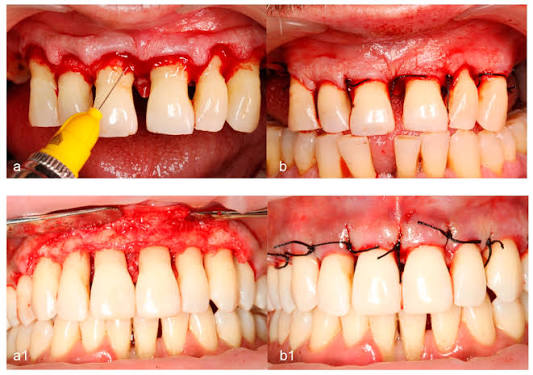
In cases where the tissue is significantly overgrown or refuses to heal, minor oral surgery or gum contouring may be recommended. Using precise instruments, the dentist reshapes the excess tissue and eliminates the deep pockets where bacteria hide. These procedures are typically fast, performed under local anesthesia, and offer a swift recovery time.
4. Correcting Structural Issues
Sometimes, treating the gum tissue alone is just a “band-aid” fix. If a structural problem is causing the flap, that issue must be resolved:
- Orthodontic Treatment: If crowded or misaligned teeth are creating unreachable plaque traps, braces or clear aligners can reposition the teeth, making the gums easier to maintain.
- Restoration Replacement: Worn-down fillings or poorly fitting crowns that trap food may need to be replaced with modern, precisely contoured restorations.
- Wisdom Tooth Extraction: If a flap is caused by a partially erupted wisdom tooth (pericoronitis), removing the tooth is often the most effective way to stop the cycle of infection.
Here is the final part of your dental guide, professionally rewritten in English to conclude the post with clarity and a strong call to action:
Prevention: How to Keep Your Gums Firm and Healthy
Preventing gum flaps is far easier than treating them once they have developed. By maintaining a consistent daily routine and staying proactive with your dental visits, you can ensure your gums remain snug and protective. Incorporate these habits to safeguard your smile:
- Gentle Precision: Brush twice daily using a soft-bristled toothbrush to avoid traumatizing the delicate tissue.
- Daily Flossing: Floss thoroughly but gently every night to clear debris from between the teeth where flaps are most likely to form.
- Targeted Rinsing: Use a dentist-recommended antimicrobial mouthwash if you are prone to inflammation.
- Avoid Aggression: Steer clear of “scrubbing” your teeth; aggressive brushing is a leading cause of gum recession and tissue damage.
- Routine Maintenance: Visit your dentist every six months for professional cleanings and comprehensive checkups.
Take Control of Your Oral Health Today
A gum flap may seem like a minor detail, but it is often your body’s way of signaling that something needs attention. With early intervention, most cases are easily resolved and prevented from recurring.
At Danforth Dental Centre, we believe in a personalized approach to periodontal health. We don’t just offer “quick fixes”; we help you understand the root cause of your symptoms and guide you toward long-term wellness. If you are noticing gum flaps, bleeding, or persistent irritation, don’t wait for the problem to escalate.
Book an appointment with Danforth Dental Centre today. A simple checkup is the best way to protect your smile for years to come.
Frequently Asked Questions (FAQ)
1. Can gum flaps heal on their own?
In mild cases caused by temporary irritation, improved oral hygiene may allow the tissue to recover. However, persistent flaps usually indicate an underlying issue that requires professional care to resolve completely.
2. Are gum flaps a definitive sign of gum disease?
Very often, yes. Gum flaps are a hallmark symptom of gingivitis or periodontitis, particularly when accompanied by redness, swelling, or bleeding.
3. Do gum flaps always require surgery?
Not at all. Many cases respond beautifully to non-invasive treatments like professional scaling and root planing. Surgery or contouring is typically reserved for deep pockets or tissue that does not respond to traditional cleaning.
4. Can gum flaps be the cause of my bad breath?
Yes. Because these flaps act as “pockets” that trap food and bacteria, they can lead to localized decay and chronic halitosis (bad breath) if the area isn’t professionally cleaned.
5. How soon should I see a dentist about a gum flap?
If a flap persists for more than a week, causes localized pain, or bleeds easily during your routine, you should schedule a dental evaluation as soon as possible to prevent further complications.