

Finding the Perfect Dental Filling: A Comprehensive Guide
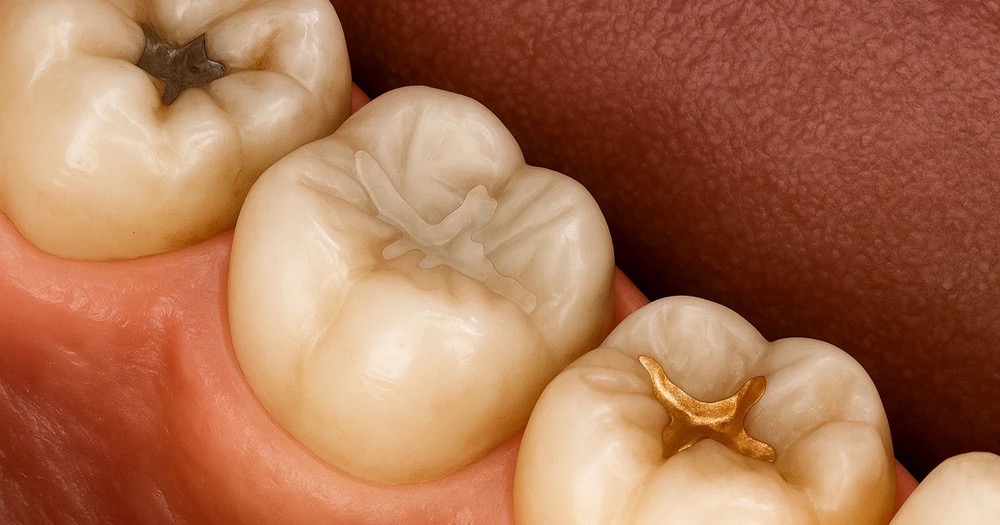
Explore the top dental filling options tailored to your specific oral health needs. This guide covers various materials, weighs their advantages and disadvantages, and helps you select the ideal solution for a healthy, lasting smile.
Introduction
Selecting the right material is essential for ensuring the long-term strength and protection of teeth damaged by cavities or cracks. Modern dentistry provides a range of choices, each offering distinct benefits in terms of durability, aesthetics, and cost-effectiveness. Whether you are considering traditional silver amalgam, discreet composite resins, or specialized glass ionomers, understanding these differences allows you to make an informed decision. This article examines the most common filling treatments so you can proceed with your dental care with confidence.
Common Types of Dental Restorations
Dentists utilize a variety of materials to repair decay or structural damage. The primary options include amalgam, composite resin, ceramic, gold, and glass ionomer. Each of these materials varies in its physical properties and price point.
For instance, amalgam is renowned for its resilience, whereas composite resin is designed to blend seamlessly with your natural teeth. While gold and ceramic options are premium choices known for their exceptional lifespan, glass ionomer fillings offer the added benefit of releasing fluoride to help prevent future decay. If a tooth is too severely damaged for a standard filling, your dentist might suggest a dental crown as a more robust alternative.
Amalgam Fillings: The Pros and Cons
Silver-colored amalgam fillings have been a staple in dentistry for decades due to their cost-efficiency and immense strength. They are particularly effective for molars, which must withstand significant chewing pressure. With proper hygiene, these fillings can last more than a decade. However, their metallic appearance makes them less suitable for visible front teeth. Additionally, while some patients have concerns regarding mercury content, leading health organizations have confirmed their safety for general use. For back teeth requiring maximum durability, amalgam remains a top contender.
The Aesthetic Advantage of Composite Fillings
Composite fillings are a popular choice because they can be precisely matched to the shade of your natural enamel, making them ideal for the “smile zone.” Because these resins bond chemically to the tooth structure, the dentist can often preserve more of the original tooth during the procedure. They are highly versatile, working well for small to medium-sized cavities and offering reliable fracture resistance. Although they historically had a shorter lifespan than amalgam, modern dental technology has significantly improved their durability, making them a favorite for patients who value both beauty and function.
Understanding Direct vs. Indirect Fillings
Fillings are further categorized by how they are applied:
- Direct Fillings: These are placed and shaped by the dentist during a single appointment. Common examples include amalgam and composite resins.
- Indirect Fillings: These include “inlays” or “onlays” and are custom-made in a laboratory. They require at least two visits: one for the impression and another for the final bonding.
In cases where the tooth is too weak for a standard filling but doesn’t require a full crown, a dental bridge or an indirect filling may be recommended. Indirect restorations are generally stronger and are preferred for larger cavities or teeth under heavy stress. Knowing these options facilitates better communication with your dental provider, ensuring you receive the most durable restoration possible.
Key Factors in Selecting the Right Dental Filling
Choosing the most suitable filling material involves balancing several clinical and personal priorities. The decision is primarily influenced by the cavity’s location, the extent of the restoration, and how visible the tooth is when you smile.
Key considerations include:
- Placement: Is it a front or back tooth?
- Scope of Damage: The specific size and depth of the cavity.
- Aesthetics: Preferences for color matching and natural appearance.
- Financial Planning: Budget and overall cost.
- Performance: Required durability and structural strength.
- Oral Habits: Factors like teeth grinding (bruxism).
- Patient Profile: Age and the potential benefits of fluoride release.
Generally, dentists favor glass ionomer for children due to its fluoride-releasing properties. In contrast, adults often choose composite or ceramic for a more seamless look. For those who grind their teeth, high-strength options like gold or amalgam are frequently recommended. By evaluating these factors with your dentist, you can choose a filling that perfectly matches your unique needs.
Expected Lifespan of Dental Fillings
The durability of a filling depends heavily on the material used and how well it is maintained. With excellent oral hygiene, gold and ceramic restorations can last upwards of 15 years. Amalgam typically offers 10 to 15 years of service, while composite fillings generally last between 5 and 10 years. Though glass ionomer fillings have a shorter lifespan, they provide essential protection by releasing fluoride.
Estimated Durability by Type:
- Gold Fillings: 15+ years
- Amalgam Fillings: 10–15+ years
- Ceramic Fillings: 10–15 years
- Composite Fillings: 5–10 years
- Glass Ionomer Fillings: 3–7 years
To maximize the life of your filling, attend regular dental checkups, practice consistent brushing and flossing, and avoid biting down on hard objects. Routine X-rays are also vital for spotting early signs of wear or failure.
Tailored Solutions for All Ages
Dental needs often shift as we age. For younger patients, glass ionomer is frequently the top choice because it releases fluoride and can be applied quickly. Adults, however, typically prioritize longevity and aesthetics, leaning toward composite or ceramic materials that blend in with their natural teeth—especially for visible areas.
Amalgam remains a reliable, high-strength option for the back teeth of both children and adults who require maximum chewing resistance. By considering lifestyle, age, and health goals, dentists ensure every patient receives the best possible restoration.
Post-Treatment Maintenance and Care
Proper aftercare is the best way to ensure your fillings remain functional for years to come. We recommend:
- Daily Hygiene: Brush twice a day with fluoride toothpaste and floss regularly.
- Dietary Habits: Avoid extremely hard or sticky foods and limit sugary snacks to prevent new decay around the edges of the filling.
- Professional Monitoring: Regular dental visits allow your dentist to catch cracks or signs of wear early.
- Prompt Reporting: If you experience any sudden sensitivity or discomfort, contact your dentist immediately.
Secure Your Smile with Expert Care
The “best” filling is the one that aligns with your goals—whether you prioritize strength, natural beauty, or affordability. Understanding the unique properties of amalgam, composite, and glass ionomer empowers you to make a wise choice for your oral health.
At Danforth Dental Centre, we provide expert filling services tailored to your specific needs. Our comprehensive care also includes professional teeth whitening, veneers, dental implants, and orthodontics to help you achieve your healthiest smile.
Frequently Asked Questions
1. Which dental filling materials are most frequently used?
The most widely used options include composite resin, glass ionomer, ceramic, gold, and silver amalgam. Each material is distinct, offering different levels of structural strength, visual appeal, and long-term durability.
2. What is the average lifespan of a composite filling?
With diligent oral hygiene, composite fillings typically last between 5 and 10 years. Their actual longevity can vary based on the tooth’s position in the mouth and the amount of daily wear and tear they endure.
3. Is it safe to use amalgam fillings?
Yes, amalgam fillings are recognized as a safe and highly effective restorative option. While they have a strong track record, many patients today choose composite or ceramic alternatives primarily for their more natural, tooth-colored appearance.