Cosmetic dental work tips
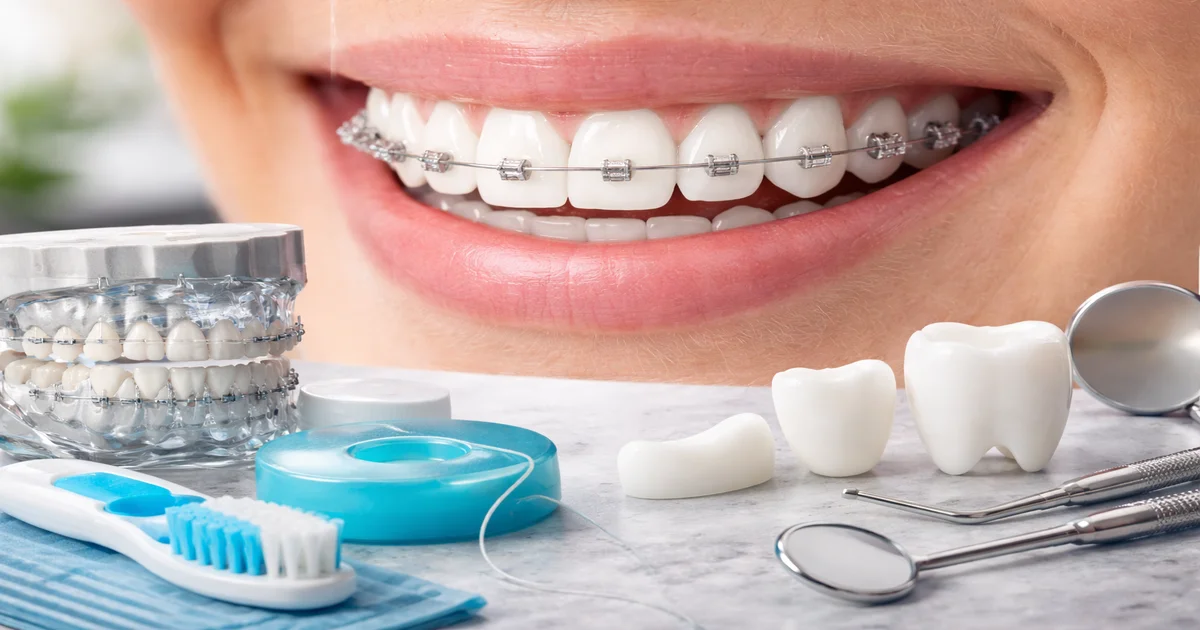
If you have previously undergone restorative or cosmetic dental work like crowns or veneers, you might wonder if orthodontic treatment is still an option. The good news is that, in most cases, you can still achieve a straighter smile. Success simply requires a specialized approach and meticulous planning. Here is everything you need to know before starting your orthodontic journey.
Understanding Potential Risks
Is Orthodontic Treatment Possible with Crowns or Veneers?
The short answer is: Yes. Having crowns or veneers does not automatically disqualify you from getting braces.
Orthodontic treatment is both safe and effective for patients with restored teeth, provided it is managed with the right expertise. At Danforth Dental Centre, we prioritize the health of your existing dental work. Before recommending a treatment path—whether it be traditional braces or clear aligners—we perform a comprehensive evaluation of your crowns, veneers, and overall bite to ensure your previous investments remain protected.
How Braces Interact with Crowns and Veneers
It is a common misconception that restorations prevent teeth from moving. In reality, orthodontic tooth movement happens at the root level within the jawbone. Because crowns and veneers only cover the exterior of the tooth, the biological process of moving the tooth remains unchanged.
However, the technical challenge lies in the attachment. Traditional braces rely on brackets being bonded to the tooth surface. Because restorative materials like porcelain behave differently than natural enamel, your orthodontist must use specific bonding agents and techniques to ensure the brackets stay securely in place without damaging the restoration.
The Technical Side: Bonding Brackets to Crowns and Veneers
Standard orthodontic brackets are designed to adhere to natural enamel, which provides a strong mechanical bond. However, porcelain and ceramic surfaces are non-porous and require a more specialized approach. To achieve a secure attachment without compromising the restoration, orthodontists utilize advanced surface-preparation protocols and modified adhesives. When these specific clinical techniques are followed, brackets can be safely removed at the conclusion of treatment without leaving any damage on the crown or veneer.
Restorative Materials vs. Natural Enamel
The primary difference lies in how adhesives interact with the surface. While enamel is ideal for traditional bonding, restorations demand meticulous handling and specialized chemicals. Because of this complexity, it is essential that your treatment is managed by a team experienced in the intersection of orthodontics and restorative dentistry.
A Systematic Approach to Safeguarding Your Dental Work
Protecting your existing smile during orthodontic movement is a deliberate and structured process. Our clinical strategy includes:
- Comprehensive Restoration Audit:
Before treatment begins, every crown and veneer is thoroughly inspected for structural integrity, precise fit, and the health of the underlying tooth. Any compromised work is repaired to ensure a stable foundation for movement. - Material Identification:
Porcelain, zirconia, and composite resins each have unique physical properties. We identify the specific material to determine the safest bonding agent and the most gentle removal technique. - Advanced Bonding Protocols:
Instead of standard methods, we use customized surface preparation and high-tech adhesives tailored for artificial materials. This ensures the bracket stays in place while protecting the aesthetic finish of the restoration. - Calibrated Force Application:
Restored teeth require a more nuanced approach to movement. We apply precisely calculated, gentle forces to shift the teeth, which minimizes stress on the restoration and reduces the risk of the bracket detaching. - Proactive Bite Monitoring:
As your alignment changes, so does your bite (occlusion). We perform regular checks to ensure that shifting teeth do not place traumatic or uneven pressure on your crowns or veneers. - Post-Treatment Final Review:
Once your teeth are perfectly aligned, we perform a final reassessment. This ensures that your restorations remain functional, aesthetically pleasing, and in perfect harmony with your new smile.
Managing orthodontic treatment with existing dental work is not about avoiding risk entirely; it is about utilizing intelligent, predictable strategies to mitigate it.
Clear Aligners vs. Traditional Braces: Which is Better?
In many instances, Invisalign offers a more conservative path for patients with veneers or crowns. Because clear aligners do not require brackets to be bonded to the tooth, they significantly reduce the risk of surface damage during treatment.
However, aligners are not a universal solution. Their effectiveness depends on the complexity of the movement required:
- Invisalign: Ideal for mild to moderate alignment concerns.
- Traditional Braces: Often necessary for complex bite corrections that require superior control.
The final choice depends on the health of your restorations and your specific clinical goals.
Understanding the Risks
When a treatment plan is properly executed, risks are minimal. However, patients should be aware of potential concerns, such as:
- Brackets failing to adhere to porcelain surfaces.
- Minor surface alterations upon bracket removal.
- Increased mechanical stress on aging restorations.
- The potential need to replace older crowns to match the new alignment of the bite.
These risks are best managed when orthodontics and restorative dentistry are integrated from the very beginning.
When Braces May Not Be Advised
While many patients with crowns or veneers are eligible for treatment, certain conditions may make braces an unpredictable or unsafe option. Braces may be discouraged if there is:
- Unstable Restorations: Crowns or veneers that are loose, cracked, poorly fitted, or have underlying decay.
- Advanced Periodontal Issues: Gum disease or significant bone loss that makes tooth movement unsafe.
- Fragile Tooth Structure: Teeth with very little natural structure remaining beneath a crown.
- Delicate Cosmetic Work: Extremely thin veneers designed only for aesthetics that cannot withstand bonding pressure.
- Major Bite Discrepancies: Cases that require extensive restorative rehabilitation before alignment can be addressed.
In these situations, we don’t necessarily rule out treatment; instead, we re-sequence the care. This may involve treating gum disease or replacing failing restorations before starting the orthodontic phase.
The Importance of Strategic Planning
Successful alignment for patients with previous dental work starts with a comprehensive diagnosis—utilizing digital imaging, bite analysis, and a thorough evaluation of existing restorations.
As noted in a report by the NIH, an interdisciplinary approach that combines orthodontic and restorative care is the most effective way to improve occlusion and meet a patient’s aesthetic demands. Sometimes, older veneers may need to be replaced after treatment to achieve perfect cosmetic harmony, while in other cases, they remain completely unaffected. The key is ensuring that tooth movement and restorative work are coordinated as a single, cohesive plan.
Perfect Your Alignment While Protecting Your Investment
Existing crowns or veneers do not have to be a barrier to a straighter smile. Through expert planning, specialized bonding techniques, and constant monitoring, you can improve your alignment without compromising your previous dental work.
At Danforth Dental Centre, we evaluate both the function and the beauty of your smile. Whether you are a candidate for braces, Invisalign, or a combination of restorative and cosmetic refinements, our priority is protecting your investment while enhancing your long-term oral health.
Frequently Asked Questions
Before embarking on an orthodontic journey, it is natural to have questions about how treatment affects your previous dental investments. Here are expert answers to the most common concerns regarding braces and restorations.
1. Is there a risk that braces will damage my crowns or veneers?
When managed by an experienced professional, braces should not harm your restorations. We utilize specialized bonding protocols and gentle removal techniques specifically designed to safeguard porcelain and ceramic surfaces, ensuring your crowns and veneers remain intact.
2. Are clear aligners like Invisalign a safer choice than traditional braces for veneers?
In many instances, yes. Because Invisalign utilizes removable aligners rather than brackets bonded directly to the tooth, it significantly reduces mechanical stress on the surface of your restorations. However, the “safest” option ultimately depends on the complexity of the alignment needed to achieve your goals.
3. Will I need to replace my crowns once my orthodontic treatment is finished?
Not necessarily. If your existing crowns maintain their structural integrity, fit, and aesthetic harmony after your teeth have shifted, they can remain in place. Replacement is typically only recommended if the new alignment of your bite significantly alters the fit or if you desire a cosmetic upgrade to match your new smile.