

Understanding Dental Numbness: Recovery Times and Post-Treatment Care
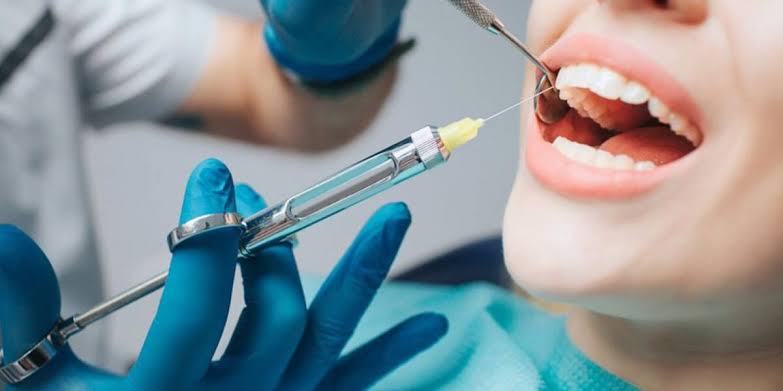
Following a dental procedure, it is common for local anesthesia to remain active for 1 to 5 hours. Generally, you will notice feeling returning to your teeth first, while your lips, tongue, and cheeks may take slightly longer to fully recover. If you experience persistent numbness that lasts longer than 8 hours, please contact your dentist for an evaluation.
Navigating Your Post-Treatment Recovery
If you have just left a dental appointment or oral surgery and your mouth feels heavy, tingly, or “frozen,” rest assured that this is a standard part of the healing process. While anesthesia is essential for a pain-free experience, most patients are eager to know: How long will this sensation last?
Understanding the recovery timeline can help alleviate post-appointment anxiety. This guide explores the factors that influence anesthesia duration, how to manage your recovery safely, and when a lingering sensation warrants professional attention.
The Timeline: How Long Does Numbing Last?
According to clinical data from sources like PubMed Central, dental anesthesia recovery occurs in stages:
- Pulpal (Tooth) Numbness: Typically dissipates within 1 to 2 hours.
- Soft Tissue (Lips, Tongue, Cheeks) Numbness: Usually lasts between 3 to 5 hours.
Anesthesia works by temporarily interrupting nerve signals in the specific area being treated. Because the nerves in the soft tissue are often more heavily saturated or affected by the injection technique, it is completely normal for your teeth to feel “normal” while your lip still feels heavy or swollen.
General Recovery Guidelines
| Area | Estimated Duration of Numbness |
|---|---|
| Teeth (Pulpal) | 1–2 Hours |
| Lips | 3–5 Hours |
| Tongue | 3–5 Hours |
| Cheeks | 3–5 Hours |
Variable Factors: Why Recovery Speeds Differ
Dental anesthesia does not dissipate at a universal rate. Several physiological and clinical variables determine how quickly your sensation will return:
- Anesthetic Composition: Different formulations are designed for varying durations of “shelf life” within the tissue.
- Dosage: The volume of anesthetic required to keep you comfortable during the procedure.
- Anatomic Location: Numbing the lower jaw (mandibular block) typically lasts longer than the upper jaw due to the concentration of nerves in that area.
- Metabolic Rate: Individuals with faster metabolisms or high localized circulation often process and clear the anesthetic more quickly.
- Lifestyle Factors: Habits such as smoking can alter blood flow and affect how the body metabolizes medication.
- General Health & Age: Overall systemic health plays a significant role in how your body breaks down pharmacological agents.
Procedure-Specific Expectations
The nature of your dental work dictates the intensity and duration of the numbing required.
1. Fillings and Crowns
For routine restorative work like fillings or crown preparations, numbness generally fades within 1 to 3 hours. Simple, shallow fillings may require less anesthesia and wear off faster, while deeper preparations may necessitate a more prolonged effect to ensure comfort.
2. Tooth Extractions and Root Canals
These treatments involve deeper nerve structures and more significant tissue manipulation. Consequently, the anesthesia used is often more potent, with numbness typically lasting 3 to 5 hours. This extended duration is intentional, providing a “comfort window” as the immediate post-operative inflammation begins.
3. Wisdom Teeth Removal
Surgical extractions, particularly of the lower wisdom teeth, often require the longest recovery period. Due to the complexity of the surgery and the type of anesthesia used, it is normal for numbness to persist for 4 to 8+ hours. This allows the initial stages of clotting and healing to begin before the patient begins to feel post-surgical tenderness.
Navigating the “Frozen” Phase: What to Expect
While dental numbness isn’t painful, it can certainly feel strange! You might experience a heavy sensation, a slight tingle, or even a bit of difficulty speaking clearly. Think of it as a temporary “pause” for your mouth’s sensations. To ensure a smooth recovery, keep these safety tips in mind:
- Wait to Chew: Hold off on meals until your full sensation returns to avoid accidentally biting your tongue or cheek.
- Temperature Check: Be extremely cautious with hot coffee or tea; you won’t feel a burn until the damage is already done.
- Hands Off: Avoid the temptation to pinch or poke the numb area, as this can cause minor bruising.
- Slow Your Speech: If your tongue feels like a “heavy weight,” just take your time speaking—it’s a perfectly normal part of the process!
Can You Speed Up the Process?
While time and your body’s natural metabolism are the primary drivers, you can gently encourage the anesthesia to dissipate:
- Light Activity: A gentle walk can increase blood flow, helping your body process the anesthetic more efficiently.
- Hydrate: Stick to room-temperature water to keep your system moving.
- Stay Upright: Resting in a seated position rather than lying flat can help reduce localized swelling.
- A Gentle Touch: A very light massage around the area (if your dentist has cleared it) may help, but never use heat or aggressive “home remedies” which could cause injury while you lack sensation.
When “Long” Becomes “Too Long”
As we noted, a window of 3 to 5 hours is standard. However, if you are still feeling completely “frozen” after 8 hours, it’s time to take notice. While rare, lingering numbness can be caused by minor nerve irritation or localized swelling near the injection site. The good news? Permanent issues are extraordinarily rare, and most cases resolve themselves with just a little extra time.
When to Contact Your Dentist
We believe that no concern is too small when it comes to your peace of mind. Please reach out to your dental team if:
- Numbness persists beyond the 8-hour mark.
- The numbness is replaced by a persistent burning or painful sensation.
- You wake up the next morning and one side of your face is still fully numb.
- You are experiencing ongoing difficulty swallowing.
Final Word
Understanding the timeline of dental anesthesia takes the mystery out of your recovery. For most, the “tingle” of returning sensation is just a few hours away. If you ever feel that your recovery is off-track, professional guidance is just a phone call away.
At Danforth Dental Centre, we are dedicated to making every phase of your treatment—from the first injection to the final recovery—as comfortable and stress-free as possible.
FAQ: Quick Answers for Your Recovery
1. Can I grab a snack while I’m still numb?
It is best to wait. Without sensation, it is incredibly easy to accidentally bite your lip or tongue, which can lead to painful sores once the numbness wears off.
2. Why is my bottom jaw taking so much longer to wake up?
The nerves in the lower faks are larger and require a different injection technique (a nerve block). This naturally takes the body longer to metabolize than the localized numbing used for upper teeth.
3. Does prolonged numbness mean I have nerve damage?
Almost never. In the vast majority of cases, it is simply a result of minor inflammation or a slightly slower metabolic response.
4. Can stress make the numbing last longer?
Stress doesn’t change the chemistry of the anesthetic, but it can make you more hyper-aware of the sensation, making it feel like it’s lasting longer.
5. Should I worry if the left side wears off before the right?
Not at all! It is very common for sensation to return unevenly. Your mouth will feel symmetrical again shortly!