

The Ultimate Post-Crown Nutrition Guide: Protecting Your Investment
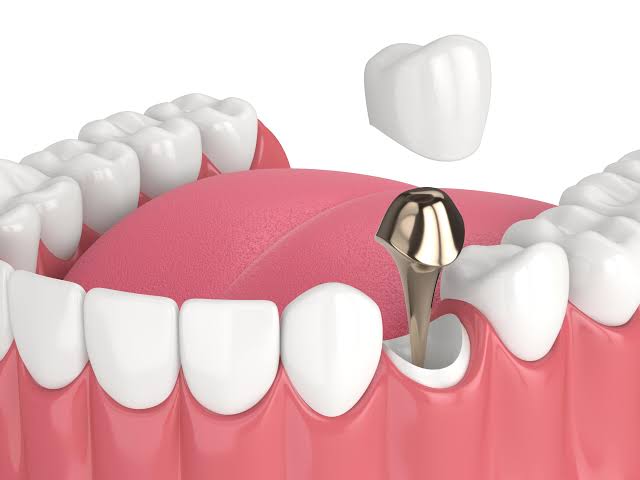
Securing a dental crown is a vital step in preserving your oral health and restoring your smile’s function. Whether your crown was placed following a root canal, a fracture, or restorative work for decay, your dietary choices in the following days are more critical than many realize. Consuming the wrong textures can lead to discomfort, cause the crown to shift, or even compromise its long-term durability.
This guide outlines exactly which foods to avoid, why they pose a risk, and how to navigate your recovery period with confidence.
High-Risk Foods: What to Avoid (and Why)
While the word “avoid” may seem restrictive, these precautions are often temporary measures to ensure your crown bonds perfectly and your tooth settles without irritation.
1. Hard and Crunchy Textures
Biting into hard items can apply sudden, concentrated pressure on the crown. If the angle isn’t exactly right, this force can cause microscopic fractures in the porcelain or even dislodge the crown entirely. Even if you don’t notice immediate damage, repetitive stress from hard foods can weaken the crown’s structure over time.
- Examples to avoid: Ice cubes, hard candies, whole nuts, popcorn (especially unpopped kernels), and raw apples or carrots.
2. Sticky and Chewy Delicacies
Sticky foods are the primary culprit behind dislodged crowns—particularly temporary crowns. These substances create a “suction” effect that can literally pull the crown off the tooth as you chew or swallow.
- Examples to avoid: Caramel, taffy, chewing gum, gummy candies, and dense, chewy granola bars.
3. Extreme Temperature Sensitivity
It is perfectly normal for the nerve of your tooth to remain sensitive for several days following a procedure. Intense heat or cold can trigger sharp, lingering pain. Furthermore, rapid temperature shifts can cause subtle stress to the crown’s bonding material during the initial setting phase.
- Items to approach with caution: Scalding coffee or tea, ice cream, heavily iced beverages, and piping-hot soups.
A Smooth Recovery Path
The goal of these restrictions is to ensure your healing process is as comfortable and seamless as possible. By prioritizing soft, room-temperature foods in the first 24–48 hours, you allow the dental cement to reach its maximum strength and give your gum tissue time to calm.
Unsure about a specific food or experiencing unusual sensitivity?
At Danforth Dental Centre, we are committed to your post-operative success. Contact our team for personalized advice on how to care for your new crown and maintain your radiant smile.
4. The Hidden Danger: Sugary and Acidic Foods
While your new crown is resistant to decay, the natural tooth structure underneath is not. Sugary and acidic items can penetrate the “margin”—the tiny seam where the crown meets your gum line. If bacteria accumulate here, it can lead to decay under the crown, resulting in infections or the need for a costly replacement.
- Items to limit: Soda, energy drinks, citrus juices, sticky candies, and highly sweetened coffee.
5. Mechanical Strain: Tough or Fibrous Foods
Foods that require aggressive chewing or “grinding” can strain the crown before the bonding agent has fully cured. Additionally, fibrous foods can become lodged between the crown and the gum, causing irritation or localized swelling.
- Examples to avoid: Steak, jerky, crusty breads (like baguettes), and corn on the cob.
The Recovery Timeline: When Can You Eat Normally?
Your dietary restrictions depend heavily on the type of crown you currently have:
- For Temporary Crowns: You must remain cautious and avoid all hard, sticky, or chewy foods until your permanent crown is seated. Temporary cement is designed to be easily removed by your dentist, meaning it can also be easily dislodged by the wrong snack.
- For Permanent Crowns: Exercise high caution for the first 24 to 48 hours. While the bond is strong, the surrounding tissues are often still healing.
- Sensitivity Window: It is normal to experience some temperature sensitivity for a few days (or even weeks). Once your bite feels natural and the sensitivity fades, you can gradually reintroduce firmer foods.
Your Recovery Menu: Safe and Gentle Options
Choosing soft foods doesn’t mean you have to sacrifice nutrition. Focus on “low-impact” meals that protect your crown while your mouth settles:
- Protein: Scrambled eggs, yogurt, or soft-cooked legumes.
- Grains: Soft pasta, well-cooked rice, or oatmeal.
- Sides: Mashed potatoes, lukewarm soups, and steamed or mashed vegetables.
- Refreshments: Smoothies (served at room temperature, not icy) and soft fruits like bananas.
- Pro Tip: For the first 48 hours, try to do the majority of your chewing on the side of your mouth opposite the new crown.
What’s at Stake? Why Timing Matters
Ignoring these guidelines might not cause immediate pain, but it can lead to “silent” complications that require extra dental visits and expenses, including:
- A Dislodged Crown: Requiring an emergency re-cementing appointment.
- Structural Damage: Tiny chips or cracks in the porcelain.
- Persistent Sensitivity: Inflammation that takes much longer to subside.
- Recurrent Decay: Compromising the health of the tooth under the crown.
Protect Your Investment with Expert Care
A dental crown is a long-term investment in your health, and a little extra care in the early days goes a long way. At Danforth Dental Centre, our mission is to ensure your restorative treatments are successful, comfortable, and beautiful.
Beyond crowns, we offer a full suite of cosmetic and restorative dentistry services in Danforth tailored to your unique needs. If you have questions about your recovery or are ready to revitalize your smile, our team is here to support your journey toward lifelong oral health.
Schedule your consultation or follow-up today.
FAQ: Quick Tips for Your New Crown
1. Can I eat normally with a temporary crown?
Not quite. Temporary crowns are held by a much weaker adhesive. Stick to soft foods and avoid anything sticky or hard until your permanent crown is ready.
2. What if my crown feels loose after a meal?
Stop chewing on that side immediately and contact Danforth Dental Centre. A loose crown is usually an easy fix, but it needs to be addressed quickly to prevent bacteria from entering or the crown from being swallowed.
3. Is it normal to feel pain when I bite down?
Minor sensitivity is expected. However, if you feel sharp pain when biting, your crown may be sitting slightly “high” and need a minor adjustment. This is a very common and quick fix at our office.
4. Can food actually break a porcelain crown?
Yes. While porcelain is incredibly strong, it can act like glass under extreme pressure. Biting into ice, unpopped popcorn kernels, or hard candy can cause the material to chip or crack.
5. How do I know if my crown was damaged by food?
Warning signs include a sudden rough edge that your tongue can feel, a change in how your teeth fit together, or a new, sharp sensitivity to cold air or liquids. If you notice any of these, book an exam right away.