

What Are Dental Laminates?
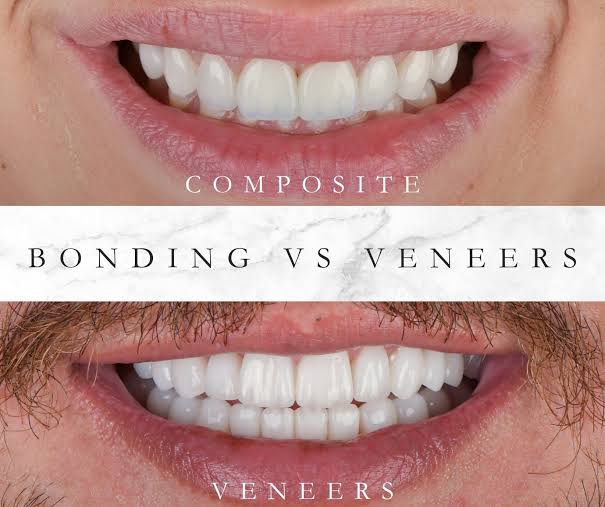
Dental laminates (often referred to as “no-prep veneers”) are ultra-thin shells designed to bond seamlessly to your teeth with very little structural modification. This treatment is celebrated for its exceptional translucency, which allows it to mimic the light-reflecting qualities of natural enamel almost perfectly.
Laminates are the ideal choice for individuals seeking a conservative cosmetic upgrade. They offer a powerful aesthetic transformation for minor concerns—such as slight discoloration or subtle shape corrections—without the need for extensive dental work. When comparing veneers and laminates, it becomes clear that while they share a goal, their application and impact are quite distinct.
Pros and Cons of Dental Laminates
The Advantages:
- Stain Resistance: Highly resilient against discoloration from lifestyle factors like coffee, tea, and wine.
- Enamel Preservation: Requires minimal to zero trimming, keeping your natural tooth structure almost entirely intact.
- Seamless Comfort: Their ultra-thin profile ensures they feel natural and comfortable within just a few hours of placement.
- Aesthetic Versatility: Efficiently masks minor chips, hairline cracks, small gaps, and worn edges.
- Instant Alignment: Can correct minor “crookedness” or irregular shapes, offering a faster alternative to braces.
- Efficiency: Generally more cost-effective than traditional veneers and often completed in a single visit.
- Simple Care: No specialized maintenance is required—simply brush and floss as you normally would.
The Disadvantages:
- Delicacy: Slightly less durable than full porcelain veneers; they may be more prone to chipping if subjected to high pressure.
- Surface Focus: Designed to cover only the front surface, offering a smaller coverage area than full veneers.
- Translucency Limits: If the underlying tooth is very dark or severely stained, the shadow may slightly show through.
- Case Specific: Not recommended for teeth with significant structural weakness or patients with active gum disease.
Dental Veneers vs. Laminates: Navigating the Key Differences
Choosing the right treatment involves understanding how these two options perform in terms of longevity, preparation, and final aesthetics.
1. Durability and Longevity Factors
Durability is a primary differentiator. Porcelain veneers are the “heavy-duty” option, offering superior resistance to staining, physical wear, and temperature fluctuations. While composite laminates are also durable, they may eventually require polishing or minor repairs to maintain their initial luster.
For both options, longevity is heavily influenced by personal habits. Factors such as bite force (grinding), oral hygiene, and dietary choices play a massive role. For instance, patients who struggle with bruxism (teeth grinding) will need protective measures, like a nightguard, to prevent laminates from fracturing prematurely. Regular professional cleanings are essential to help both treatments reach their maximum lifespan.
2. Tooth Preparation and Aesthetic Results
The preparation process varies significantly between the two. Traditional veneers often require the removal of a thin layer of enamel to ensure the final result doesn’t look bulky. Laminates, being much thinner, require little to no preparation, making them a favorite for those wanting to retain as much of their natural tooth as possible.
From a cosmetic standpoint:
- Laminates excel at achieving a high level of translucency, making them nearly identical to natural enamel.
- Veneers are superior at masking deep, stubborn stains or significant structural irregularities.
Here is a polished and professional rewrite of the final section of your guide, crafted to be engaging, informative, and clear:
3. The Science of Materials: From Porcelain Artistry to Composite Resin
The material chosen for your restoration dictates how your new smile will interact with light and how long it will endure:
- Dental Laminates: Crafted exclusively from premium porcelains (such as feldspathic porcelain or minimally filled glass-ceramics), laminates are designed to be exceptionally thin. Their standout feature is their ability to transmit and scatter light almost identically to natural tooth enamel.
- E-max Veneers: Made from lithium disilicate, a high-strength glass-ceramic. While E-max offers superior durability compared to standard porcelain, it is slightly less translucent.
- Zirconia Veneers: Milled from solid zirconium oxide, this “ceramic steel” is incredibly tough. Because it is opaque, it is best suited for masking dark stains or for use on back teeth where strength is the priority.
- Composite Veneers: These are not porcelain. Instead, they are sculpted directly onto your teeth using layers of high-grade, resin-based filling material.
- Porcelain-Fused-to-Metal (PFM): This traditional approach combines a sturdy metal substructure with a porcelain exterior. While strong, the metal core can sometimes create a dark line at the gum margin over time.
4. The Question of Thickness: Preserving Your Natural Enamel
The most significant distinction between these options is their thickness, which directly impacts how much of your natural tooth must be prepared:
- Laminates (0.1 to 0.3 mm): These are the thinnest restorations available—roughly the thickness of a contact lens. Their ultra-slim profile often allows for “no-prep” application, meaning your natural enamel stays intact.
- E-max & Composite (0.3 to 0.5 mm): These remain in the conservative range, requiring very little tooth reduction.
- Traditional Porcelain Veneers (0.5 to 0.7 mm): These require a moderate amount of enamel removal to ensure the final result looks flush and natural.
- Zirconia & PFM (0.8 to 1.2 mm+): Being the thickest options, these demand the most significant reduction of the natural tooth structure to create enough space for the material.
5. Investing in Your Smile: Cost vs. Long-Term Value
Budget is a practical factor for every patient. Composite laminates are the most accessible entry point; they are more affordable and can be placed in a single visit, reducing immediate costs.
Porcelain veneers and laminates represent a higher initial investment. This is due to the advanced materials used and the bespoke artistry required in a dental laboratory. However, porcelain is a “long-term asset”—its superior durability and resistance to wear mean it often saves you money over the decades by outlasting cheaper alternatives.
Are You the Right Candidate?
- Laminates are ideal if: You have healthy enamel and seek to correct mild discoloration, minor gaps, or subtle shape irregularities through a non-invasive approach.
- Veneers are ideal if: You require a total smile transformation to correct severe staining, noticeably irregular surfaces, or significant gaps between teeth.
- The Golden Rule: Regardless of the choice, all successful candidates must have healthy gums and a stable, functional bite.
The Path to Your New Smile: A 5-Step Checklist
Choosing between these two paths is easier when you align your goals with your lifestyle. Use this checklist to guide your decision:
- Define Your Goal: Are you looking for a subtle “refresh” or a dramatic correction?
- Enamel Preservation: How important is it to you to avoid or minimize tooth trimming?
- Evaluate Your Budget: Are you prioritizing the lowest upfront cost or the highest long-term durability?
- Analyze Your Habits: Do you grind your teeth at night or frequently consume staining foods like coffee and red wine?
- Seek Professional Artistry: A personalized consultation is the only way to determine which material will perform best in your unique oral environment.
Transform Your Smile with Confidence
Understanding the nuances of veneers and laminates empowers you to make a choice that fits your needs and your expectations. Both options offer distinct, life-changing advantages for your confidence and oral health.
If you are in the Toronto area and ready to explore your options, Danforth Dental Centre is here to guide you. Our specialists provide expert, personalized care to ensure your results are as durable as they are beautiful. In addition to our cosmetic expertise, we offer a comprehensive range of services including dental implants, professional teeth whitening, and high-quality dental crowns.
Contact us today at Danforth Dental Centre to schedule your consultation. Let’s create the smile you’ve always envisioned.
Here is a polished and professional rewrite of the FAQ section in English:
Frequently Asked Questions
1. Are dental laminates and veneers the same thing?
While they share the same goal of enhancing your smile, they are not identical. Laminates are significantly thinner and more conservative than traditional veneers. Because of their slim profile, they require little to no enamel removal, making them a less invasive option that still delivers incredibly natural-looking results.
2. Which option offers better longevity: veneers or laminates?
Both treatments are designed to provide long-lasting, beautiful outcomes. Generally, porcelain restorations (whether veneers or laminates) offer superior durability compared to composite resin. Laminates are highly prized for their ability to maintain a natural appearance over time due to their translucent, wear-resistant design, while full veneers offer the structural strength needed for more significant restorations.
3. Are veneers more effective for heavily stained teeth?
Yes. Traditional veneers are usually the preferred choice for teeth with deep internal staining or significant cosmetic damage. Because veneers are slightly thicker than laminates, they possess superior “masking” capabilities, allowing them to completely hide dark discolorations that might otherwise show through a thinner laminate.
4. Is the procedure painful?
Not at all. Patient comfort is our top priority, and discomfort is minimal in almost every case. For procedures requiring enamel preparation, local anesthesia is administered to ensure the treatment is entirely painless. Most patients who choose “no-prep” laminates find the process so gentle that they require no numbing at all.